Skip to content
Cart

Your cart is empty

Continue shopping

Small Breed Dog Food

2 products
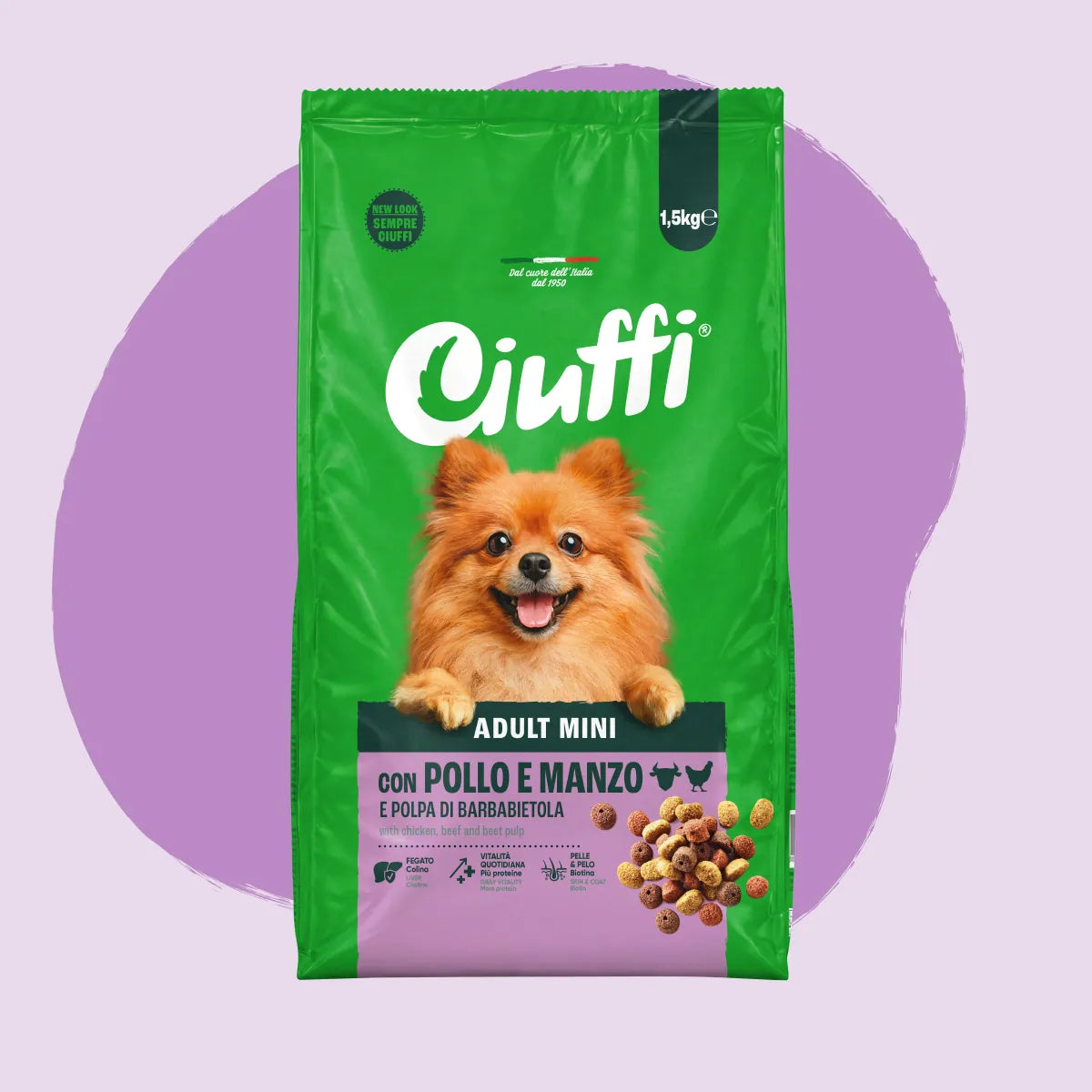
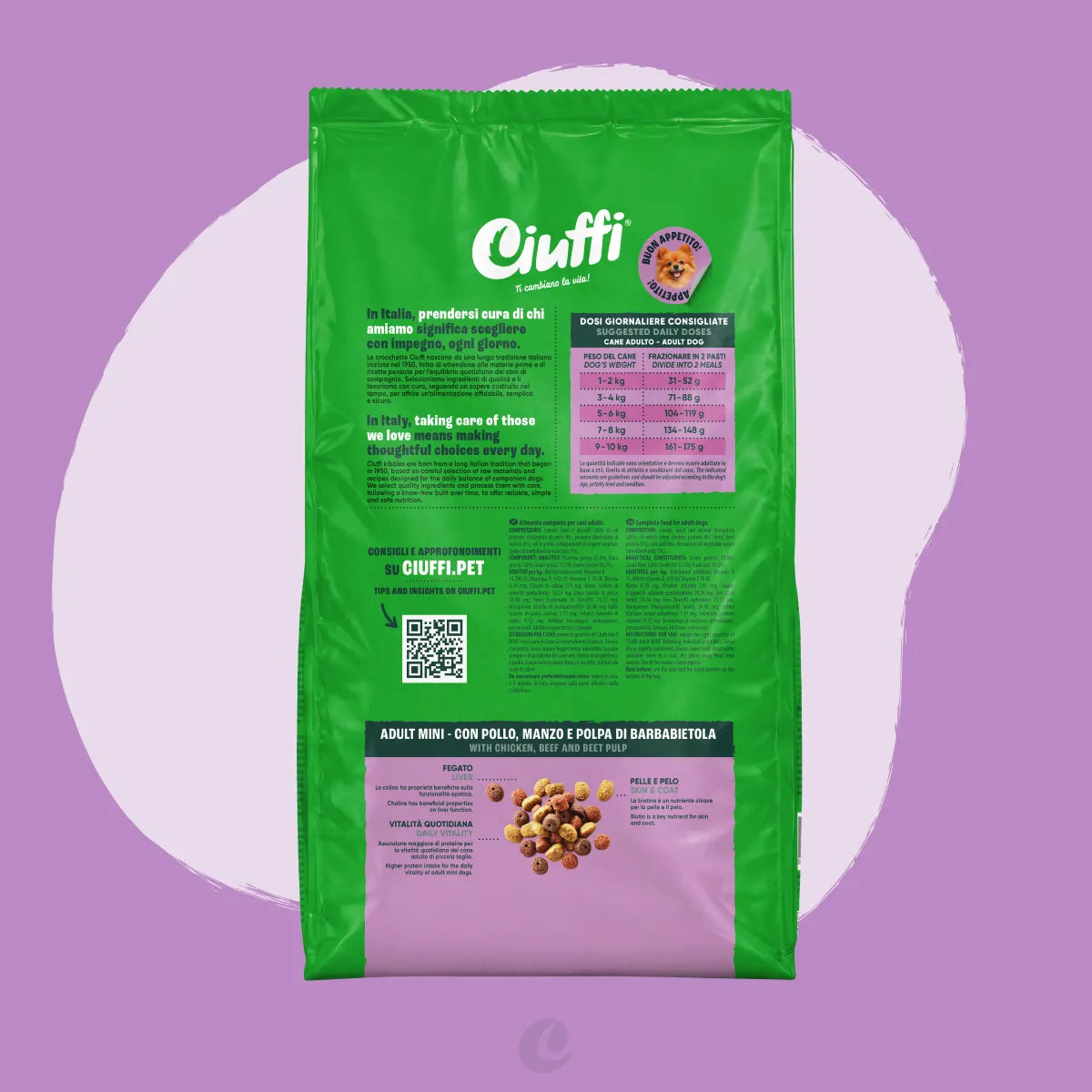
ADULT MINIcrocchette mini con pollo e manzo per cani adulti -1
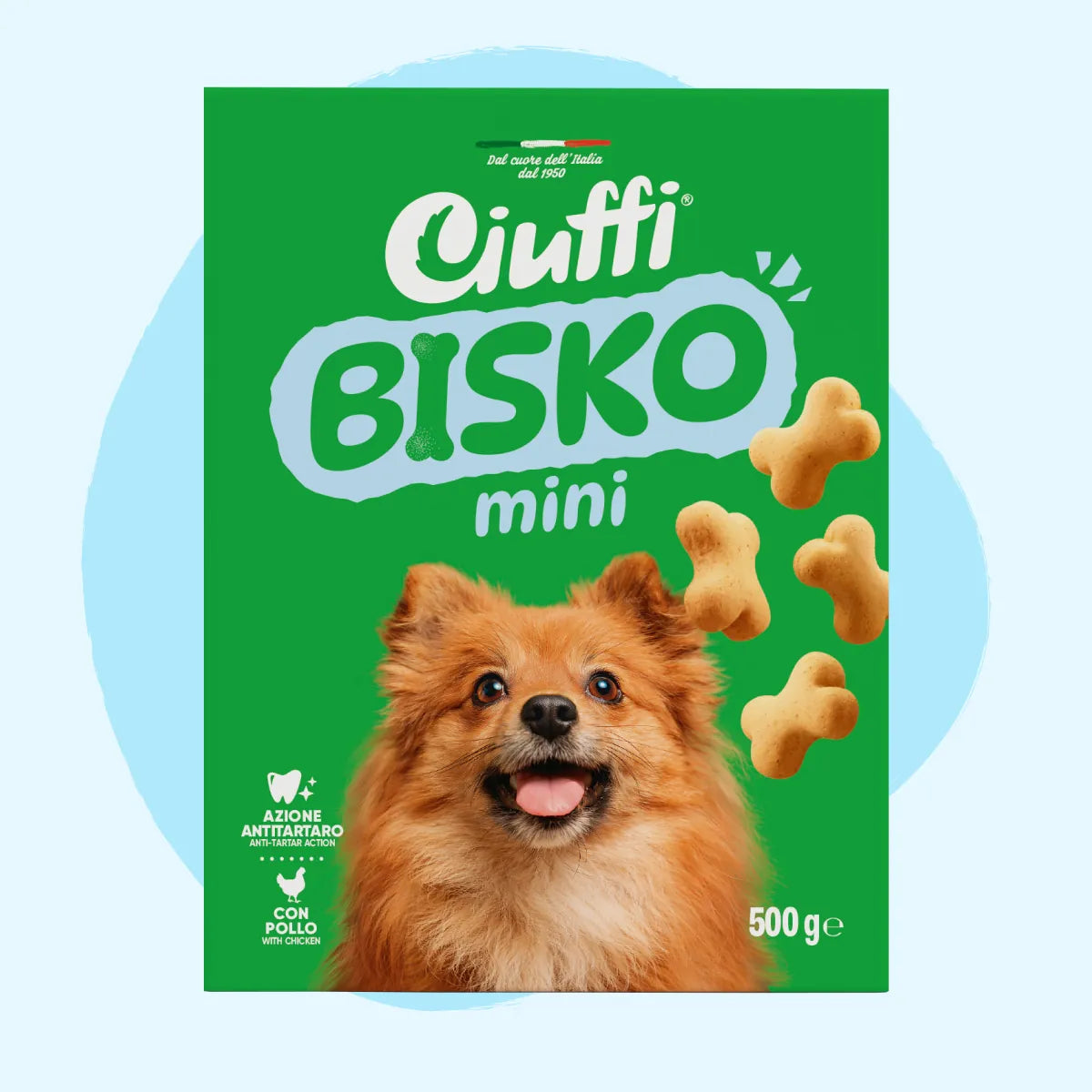
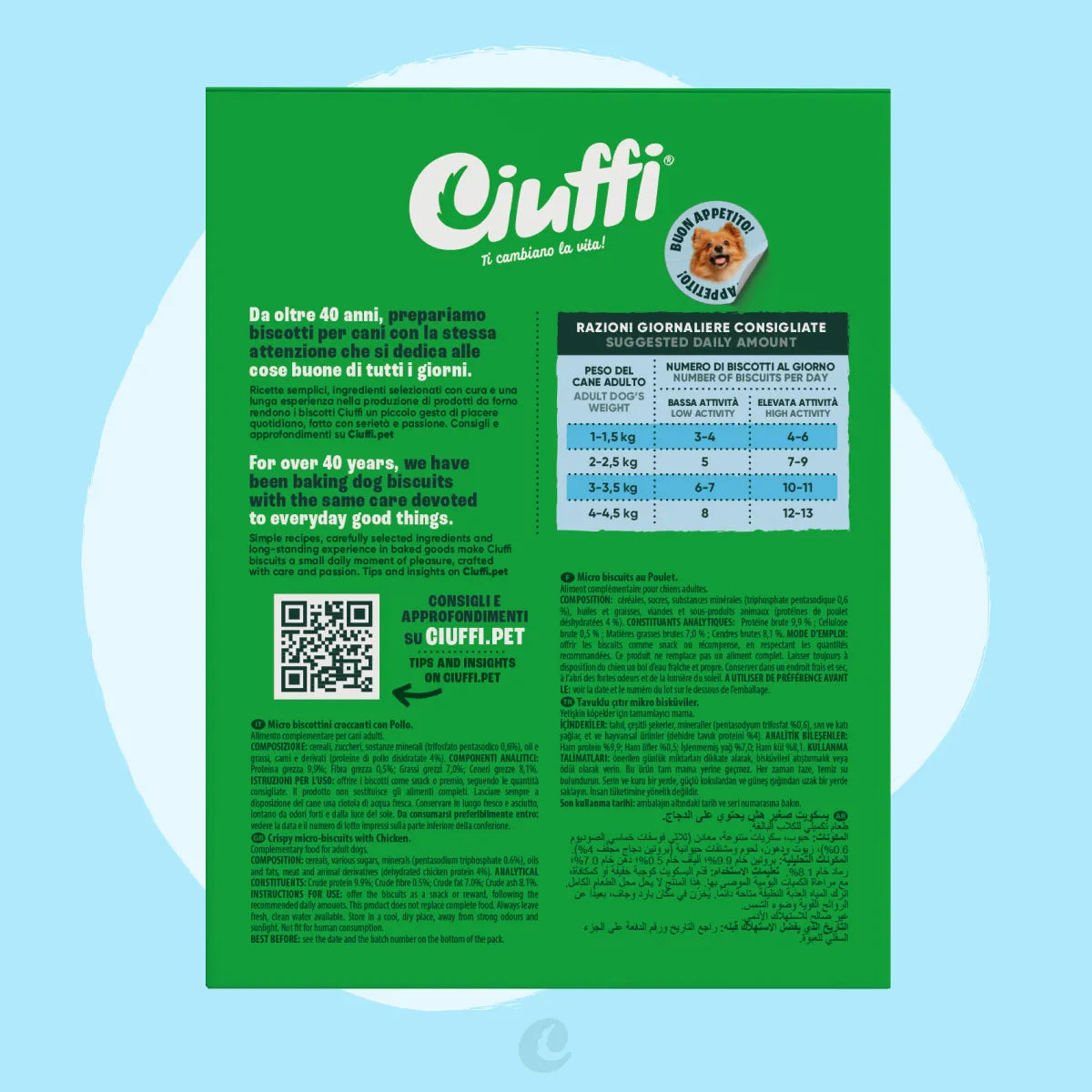
ADULT MINIbiscotti mini al pollo per cani -1

Frequently Asked Questions

How do I calculate the amount of food for a homemade diet?

A dog’s daily homemade food allowance should equal 2–3% of its body weight in grams. For example, a 30 kg dog will need between 600 and 900 g of food per day (30,000 × 2% or 3%). Two percent is suitable for a healthy adult dog that tends to gain weight, while 3% is better for very active dogs. Observe your dog’s condition and behaviour to adjust the portion to its actual needs and appetite. The meal should include different food groups as well as vitamins and minerals.

Which tasty snacks can I give my dog?

Treats made with simple, natural ingredients are the best option for your dog. Avoid processed, fatty, sugary and salty foods. Choose a plain piece of meat, cooked vegetables or a small piece of cheese instead of dishes with sauces, cured meats or desserts.

Which foods are toxic to dogs?

The complete list of foods toxic to dogs includes chocolate, onions, garlic, grapes, nuts, macadamia nuts, avocado, cooked bones, alcohol, coffee, xylitol and raw potatoes.

What should I do if my dog refuses new kibble?

There may be several reasons why a dog does not want to eat new kibble: the size may be unsuitable, it may dislike the flavour or texture, it may be unwell or have dental pain.

So how can you help a fussy dog accept new kibble? Make the change gradually, keep its feeding routine, allow time to adjust, add a little oil or broth, and choose kibble with a flavour it enjoys. Dogs have clear taste preferences. A new flavour, a different smell or an unfamiliar texture may be enough to make them refuse the bowl. This is not necessarily fussiness: the dog is simply expressing its preferences.