Skip to content
Cart

Your cart is empty

Continue shopping

Dog Kibble

5 products
ADULTcrocchette con pollo per cani adulti -1
Sale priceFrom €7,50
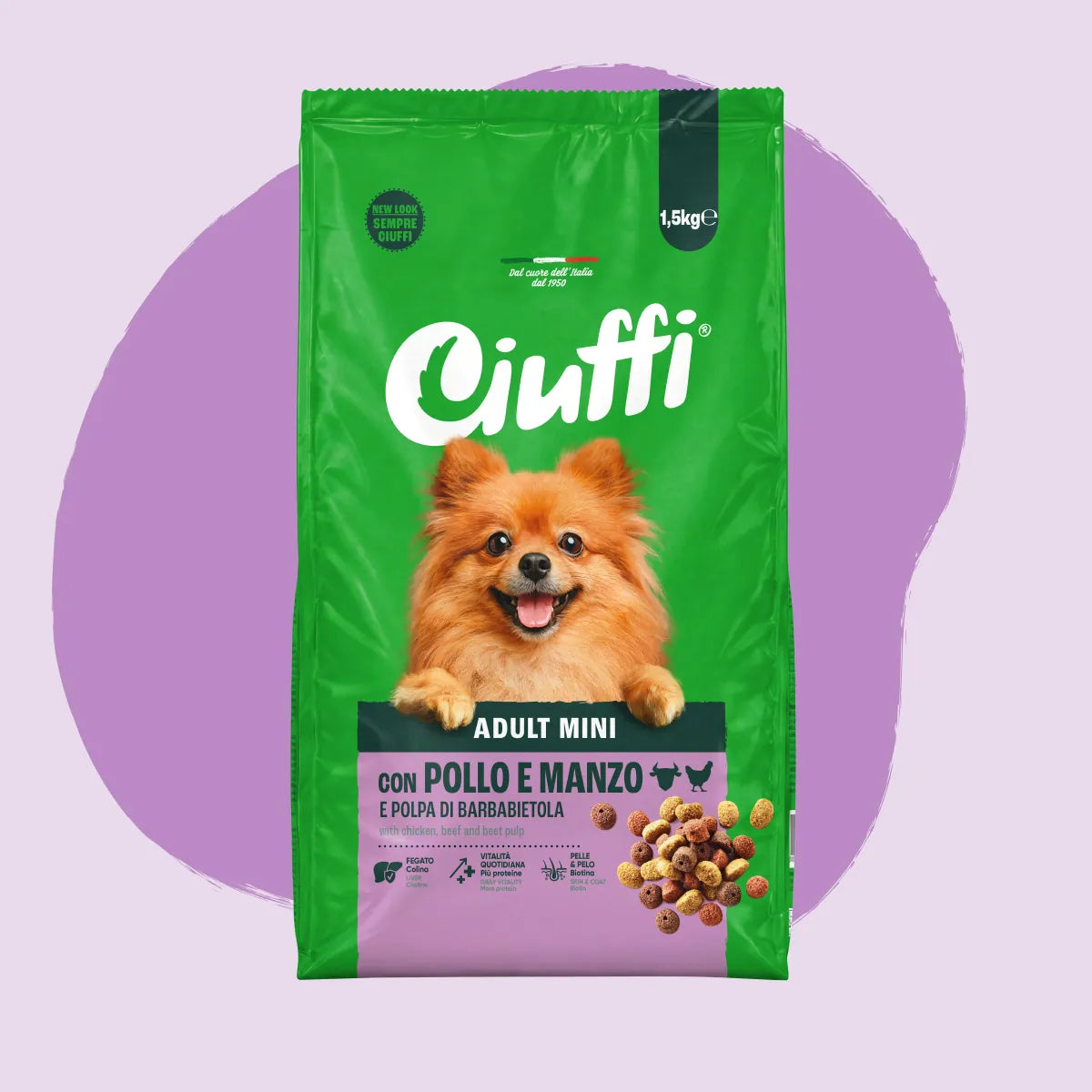
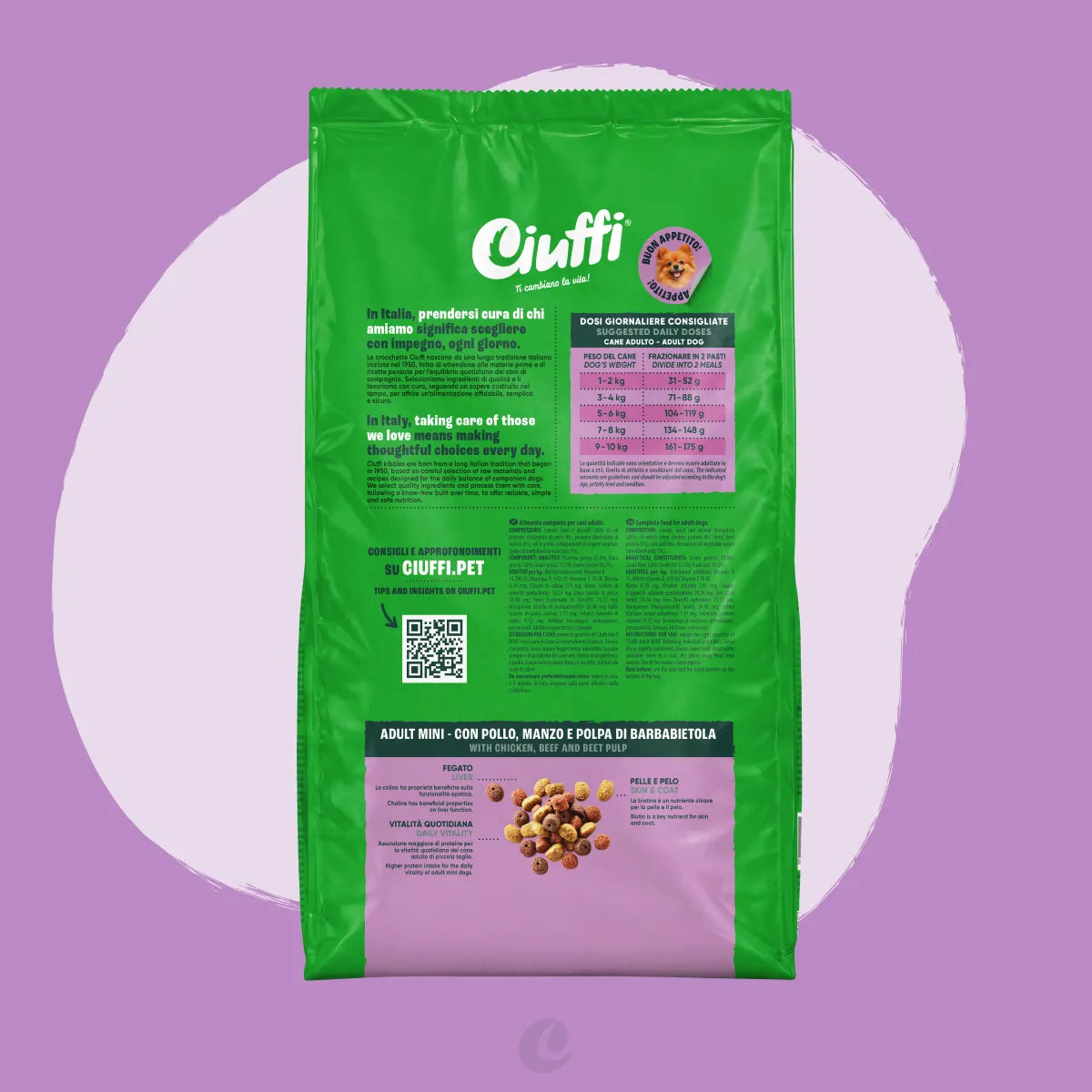
ADULT MINIcrocchette mini con pollo e manzo per cani adulti -1
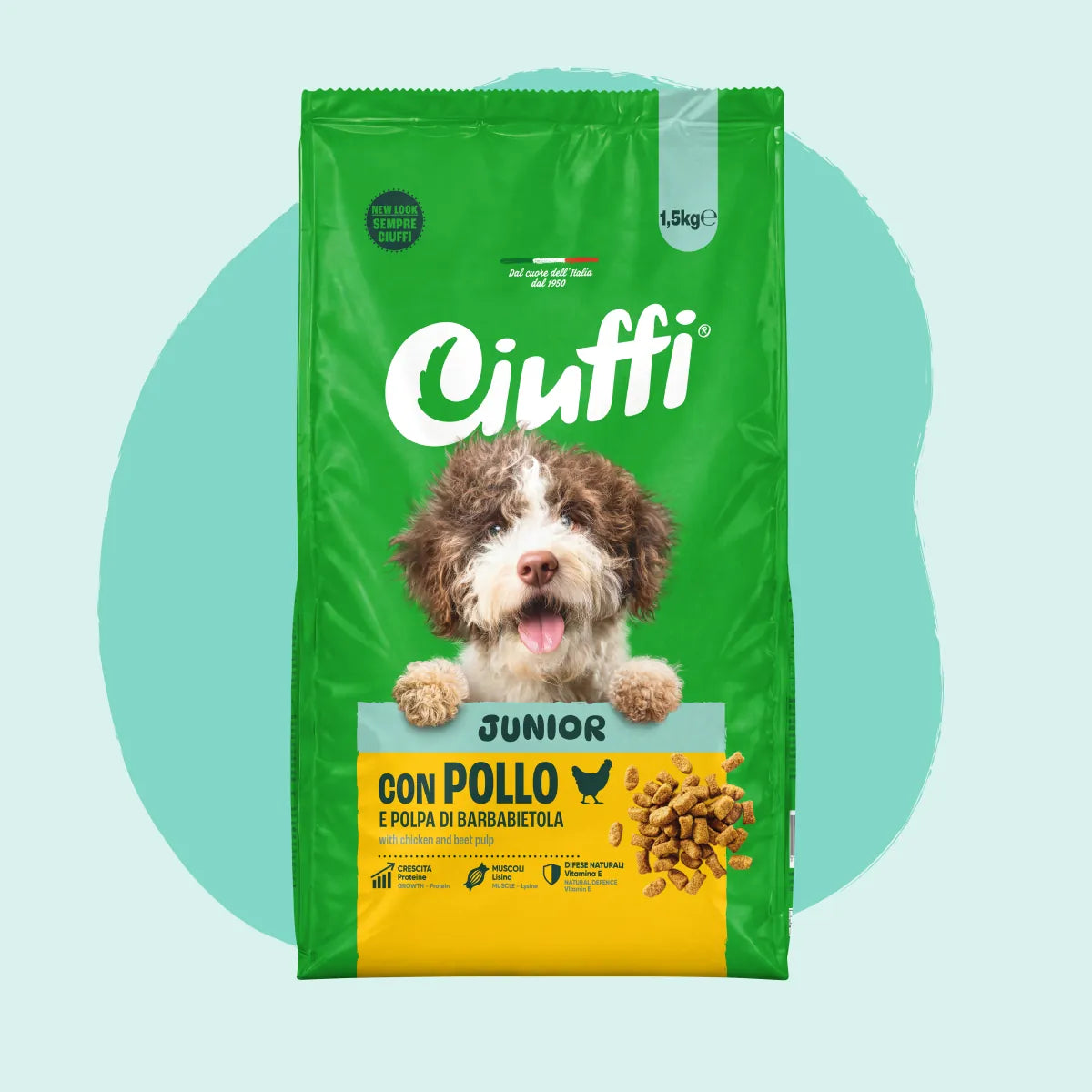
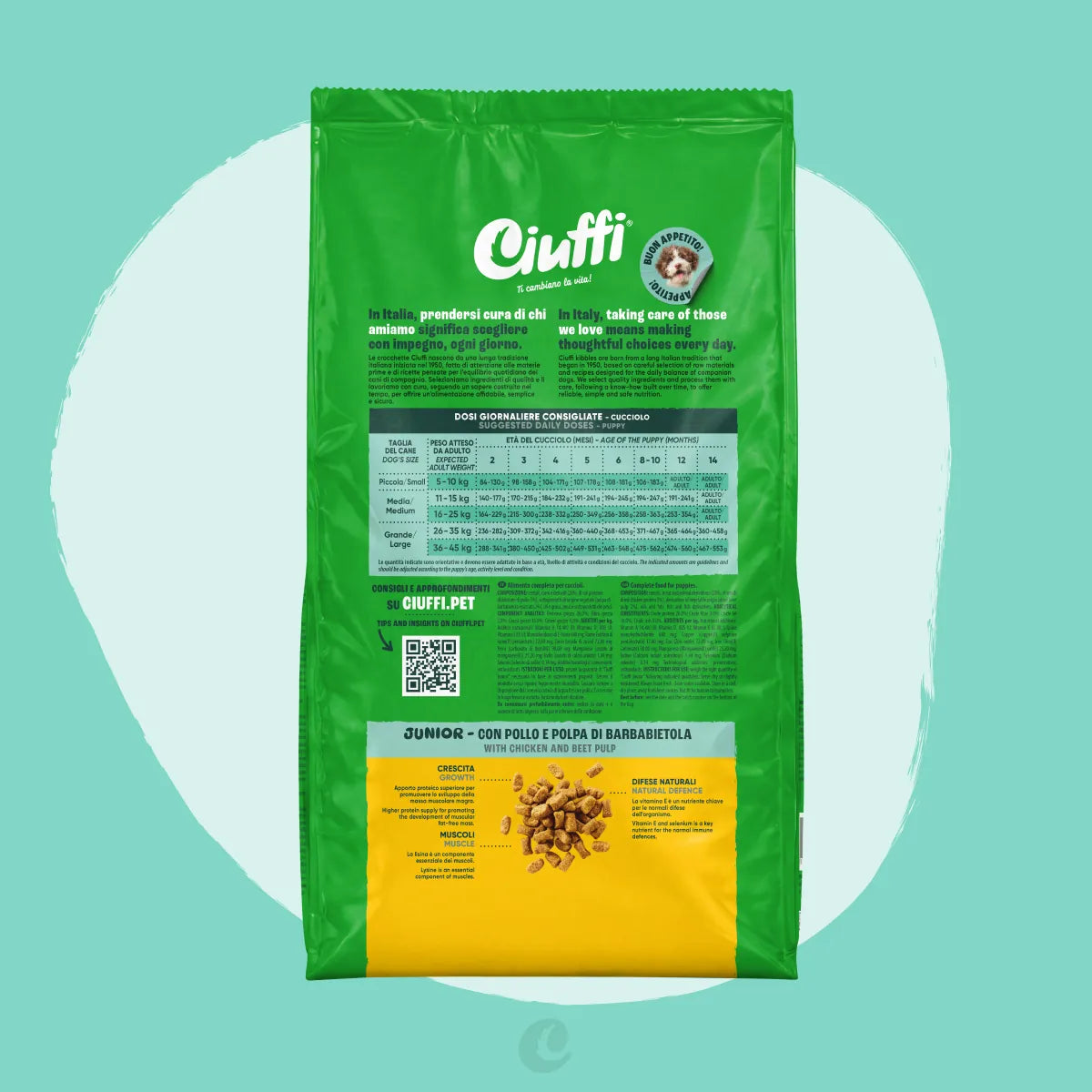
PUPPYcrocchette con pollo per cuccioli di cane -1
Sale priceFrom €3,50
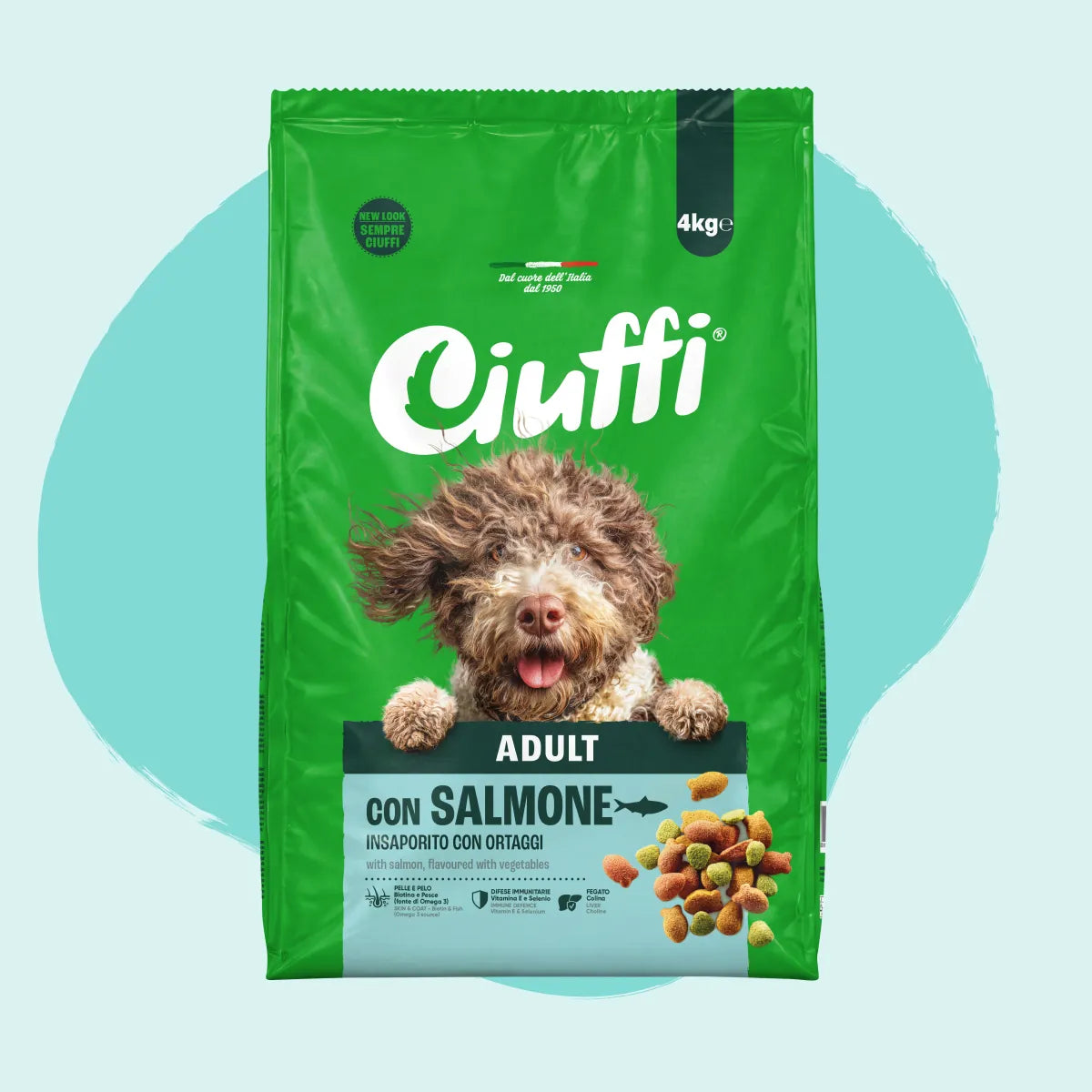
ADULTcrocchette con salmone per cani adulti -1
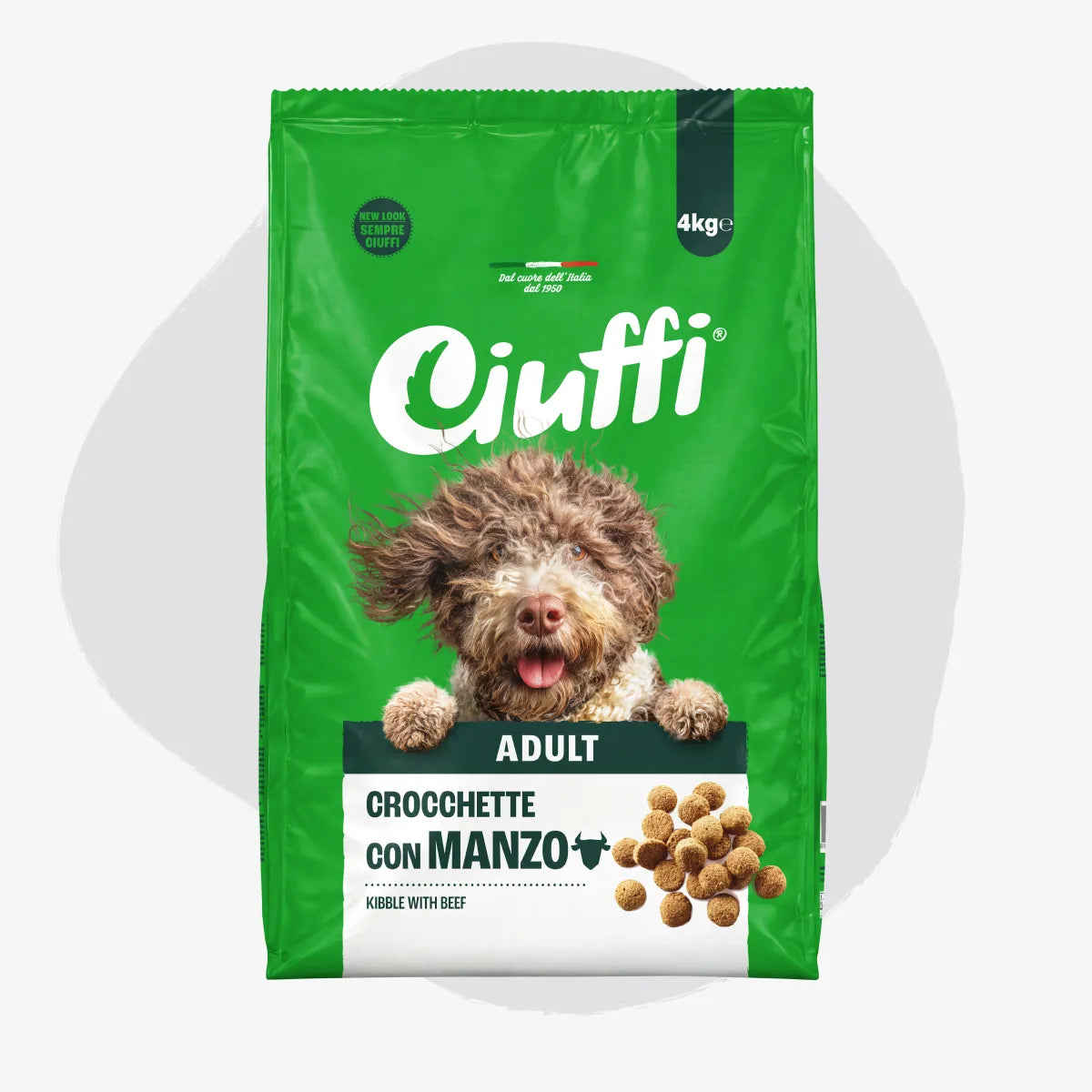
ADULTcrocchette con manzo per cani adulti -1
Sale priceFrom €6,50

Frequently Asked Questions

What should I do if my dog refuses new kibble?

There may be several reasons why a dog does not want to eat new kibble: the size may be unsuitable, it may dislike the flavour or texture, it may be unwell or have dental pain.

So how can you help a fussy dog accept new kibble? Make the change gradually, keep its feeding routine, allow time to adjust, add a little oil or broth, and choose kibble with a flavour it enjoys. Dogs have clear taste preferences. A new flavour, a different smell or an unfamiliar texture may be enough to make them refuse the bowl. This is not necessarily fussiness: the dog is simply expressing its preferences.
Is supermarket kibble harmful to dogs?

Kibble sold in supermarkets is not harmful, provided you choose a quality product. Where it is purchased matters less than the composition of the food itself. Well-selected supermarket kibble may suit your dog perfectly and, in some cases, even better than veterinary kibble.

Dog kibble with or without grains?

Dog kibble containing grains is not harmful when properly formulated, and grain allergies or intolerances are very rare in dogs. Grains are often assumed to mean gluten, but this is not always the case. Rice and maize, both widely used, do not contain gluten. Gluten is found in wheat, barley and oats, but this does not automatically cause problems for dogs, which are rarely intolerant.