Skip to content
Cart

Your cart is empty

Continue shopping

Kibble for adult cats

4 products
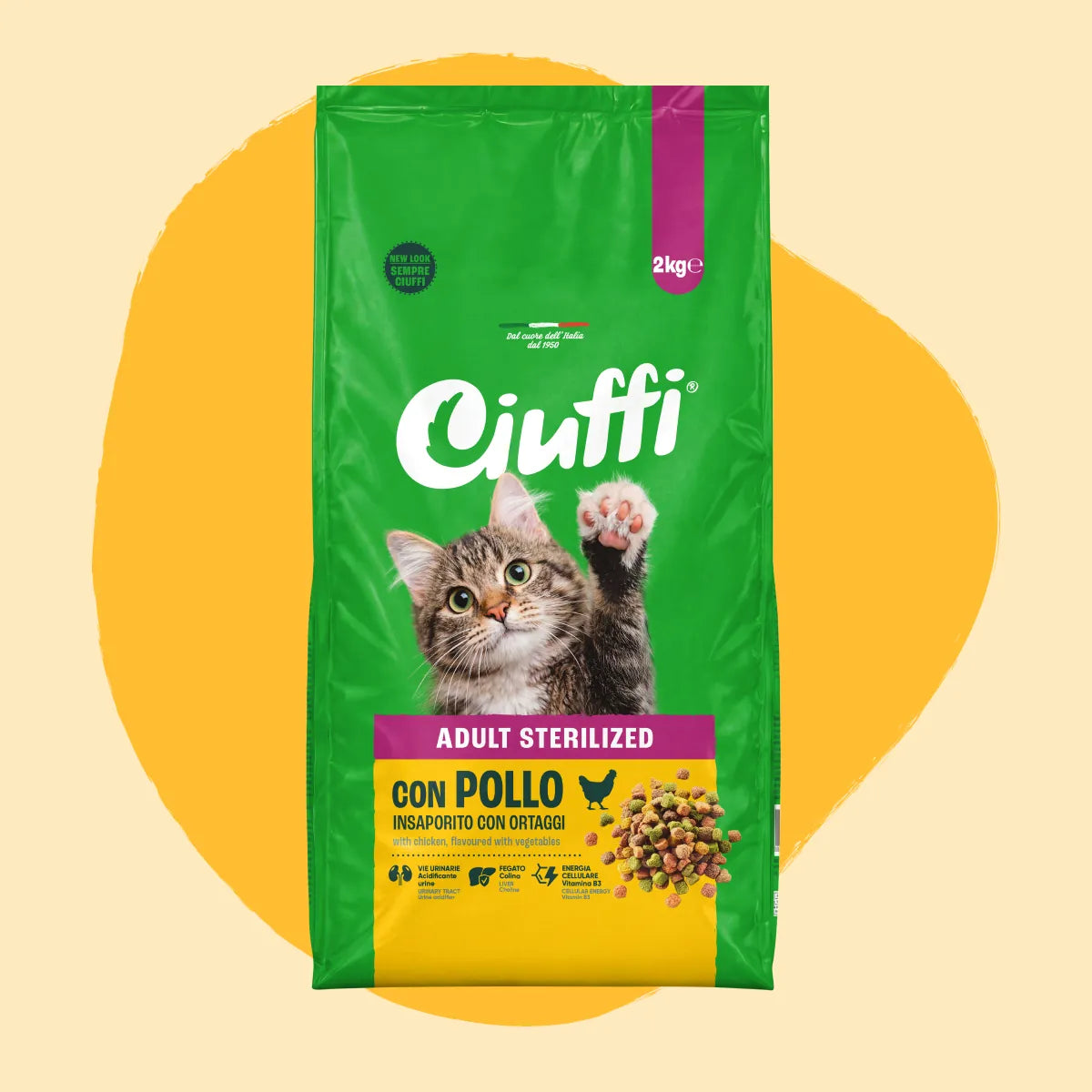
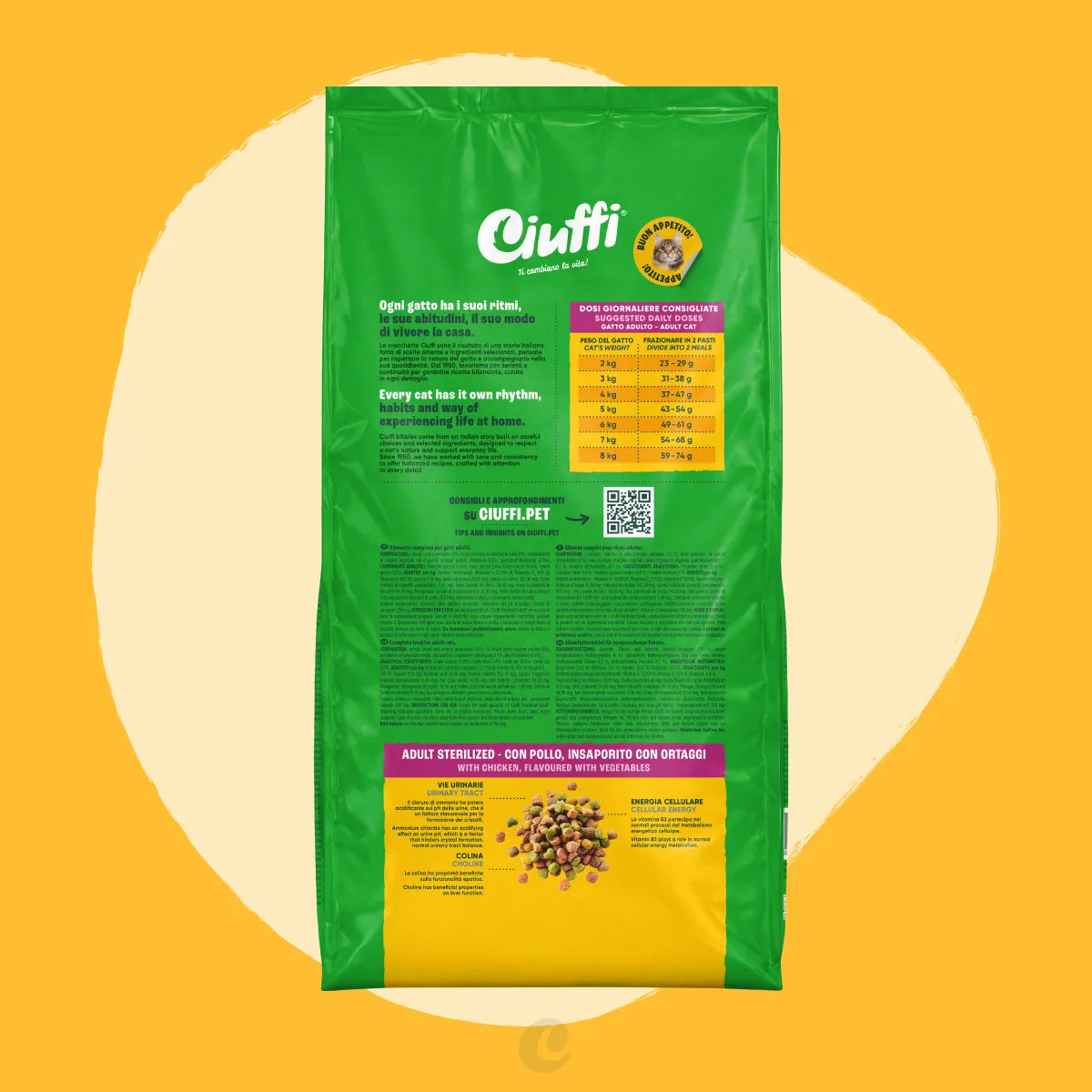
ADULTcrocchette con pollo per gatti adulti sterilizzati -1
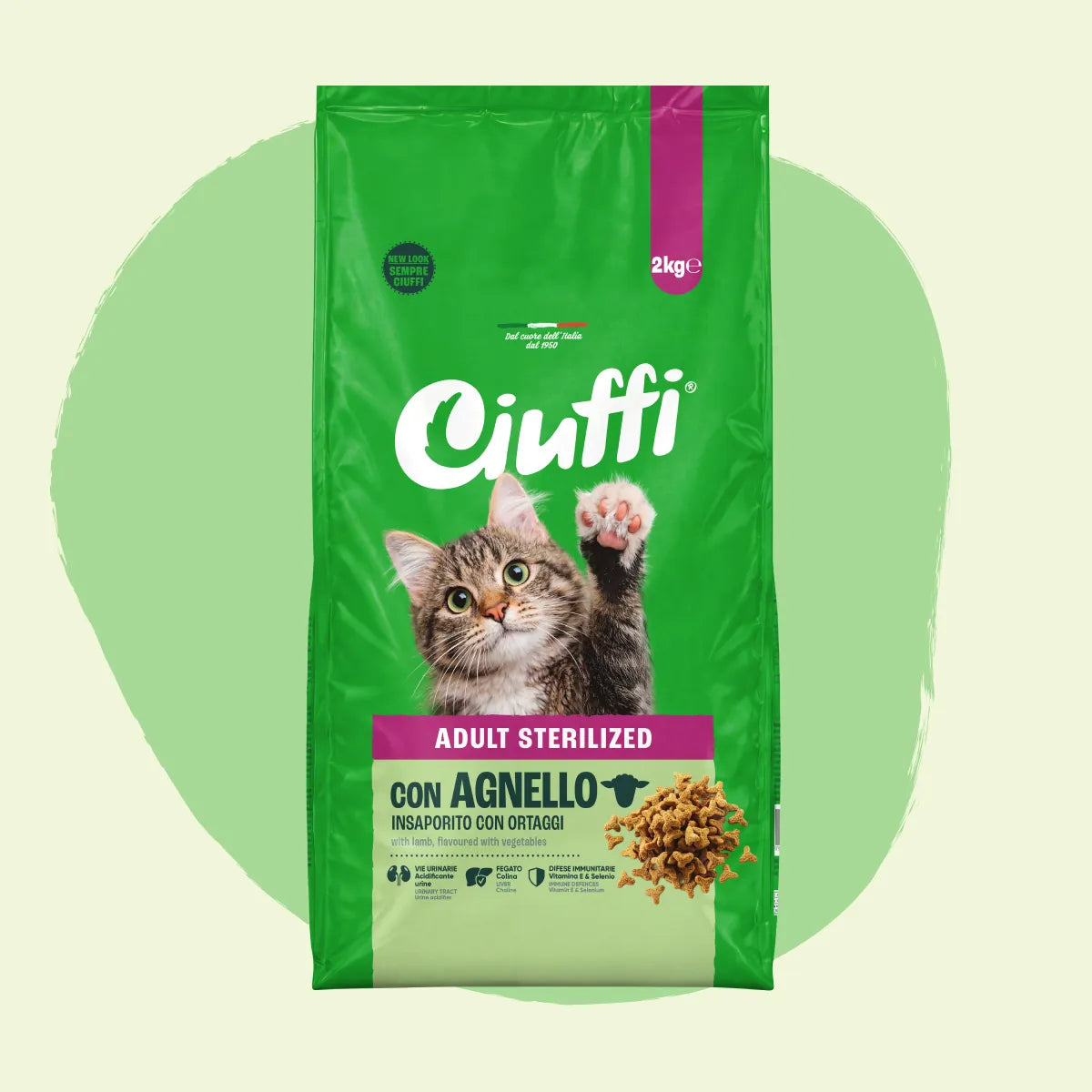
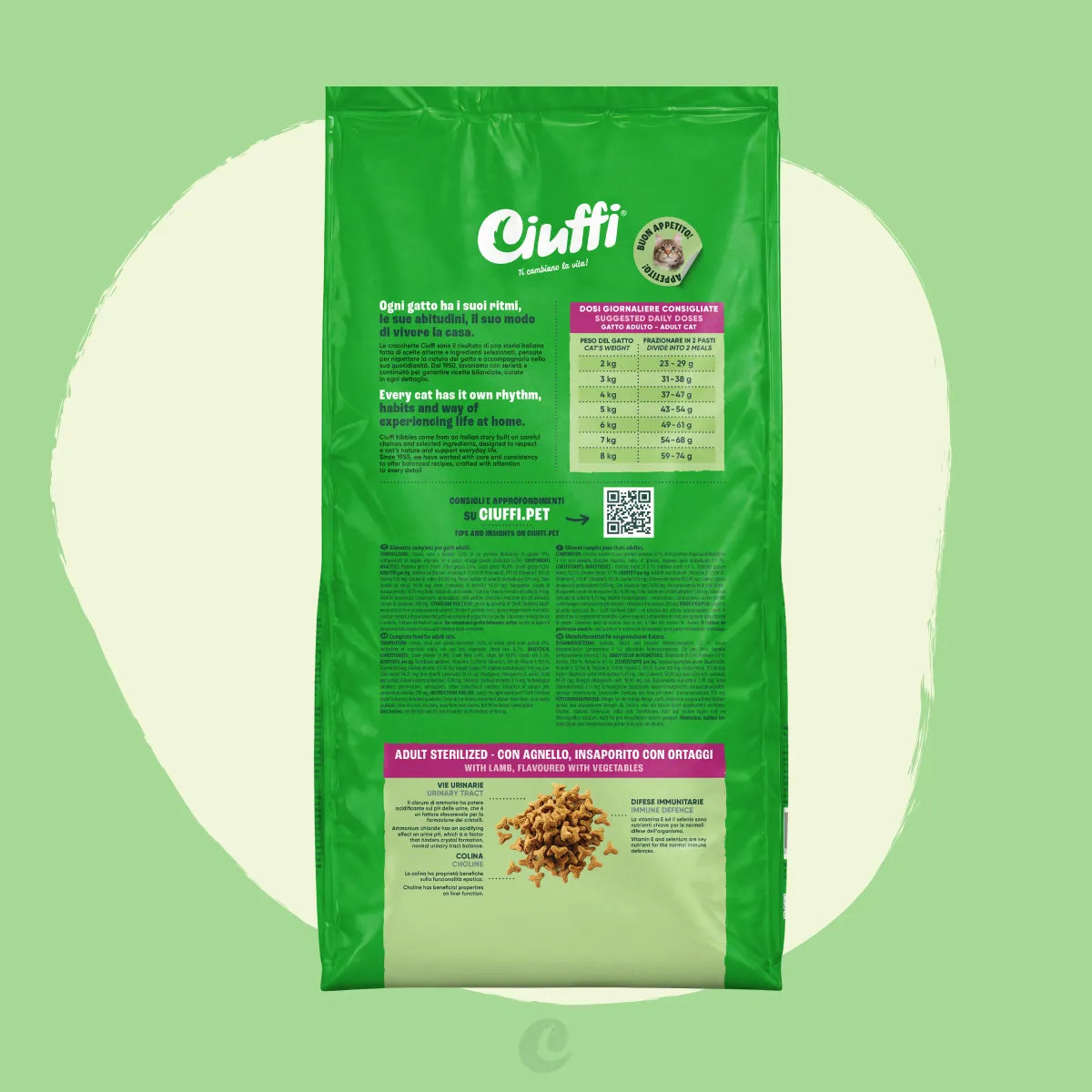
ADULTcrocchette con agnello per gatti adulti sterilizzati -1
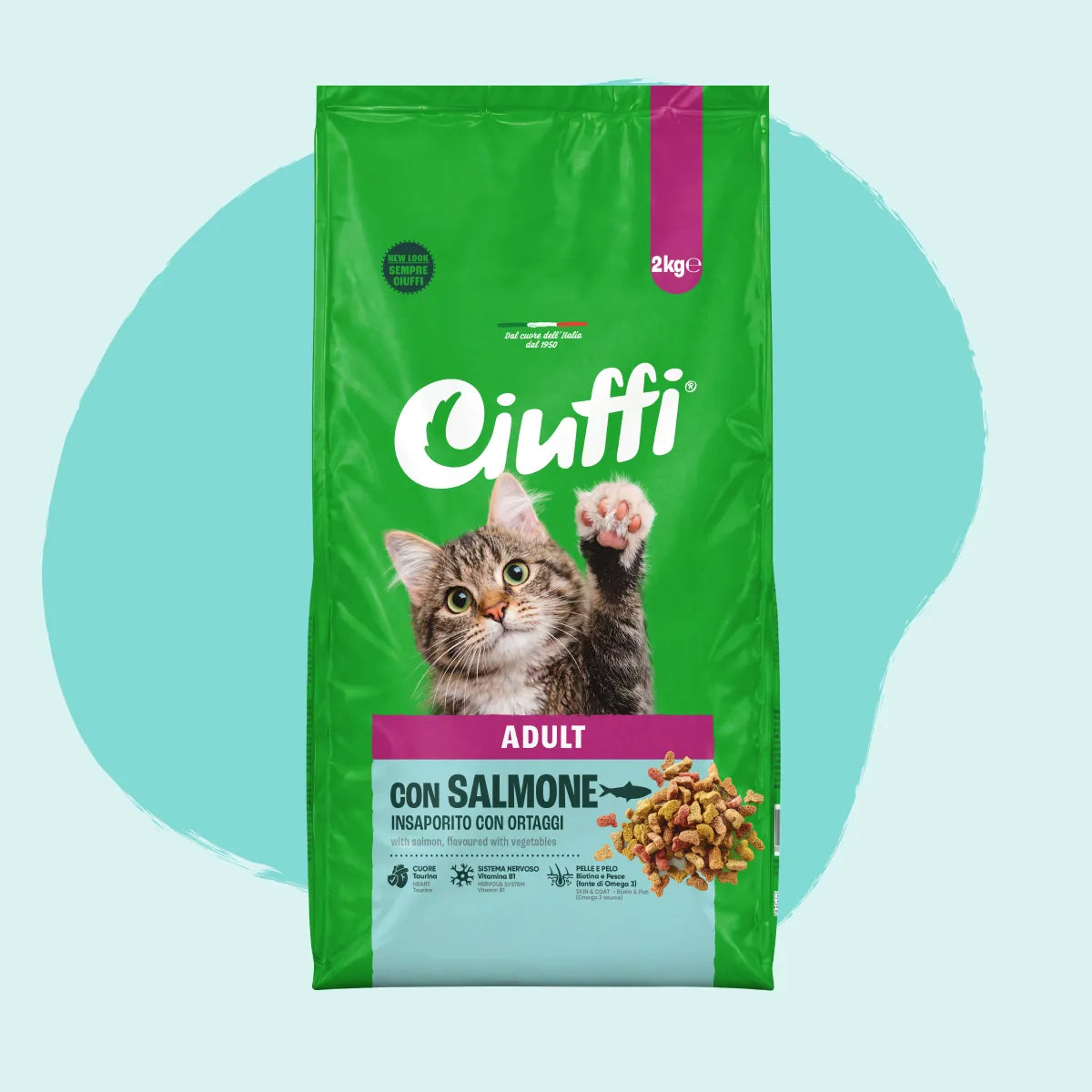
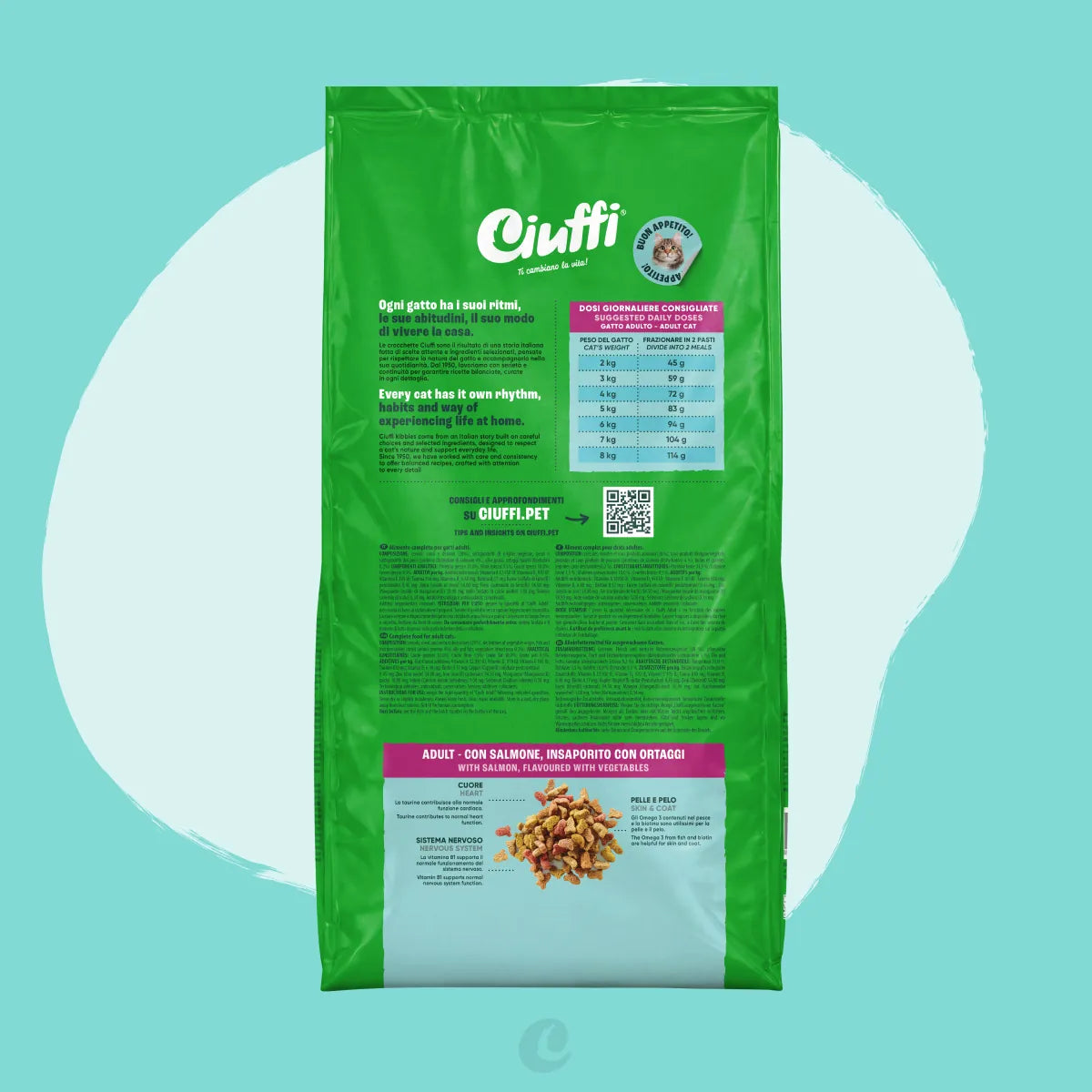
ADULTcrocchette con salmone per gatti adulti -1
Sale priceFrom €24,40
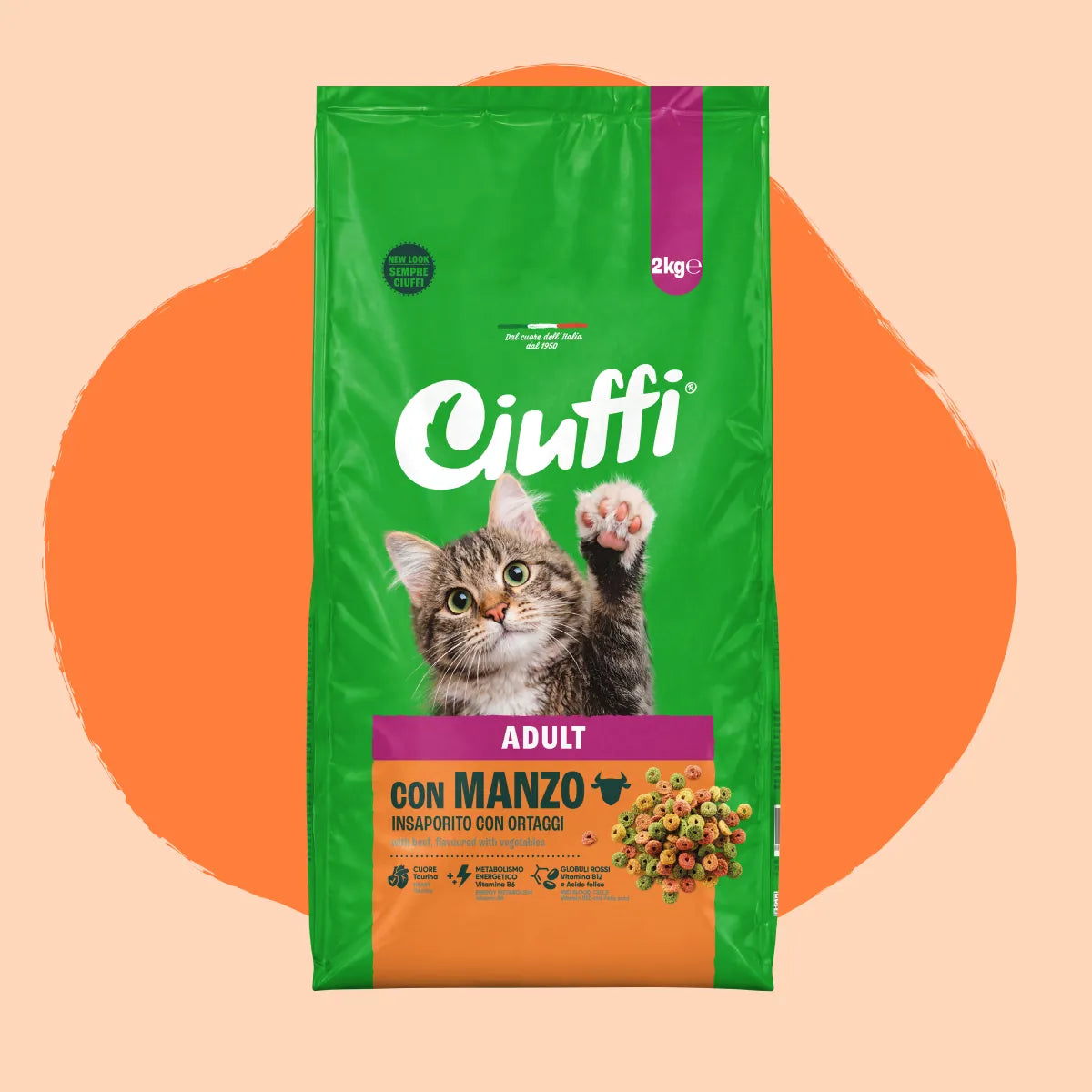
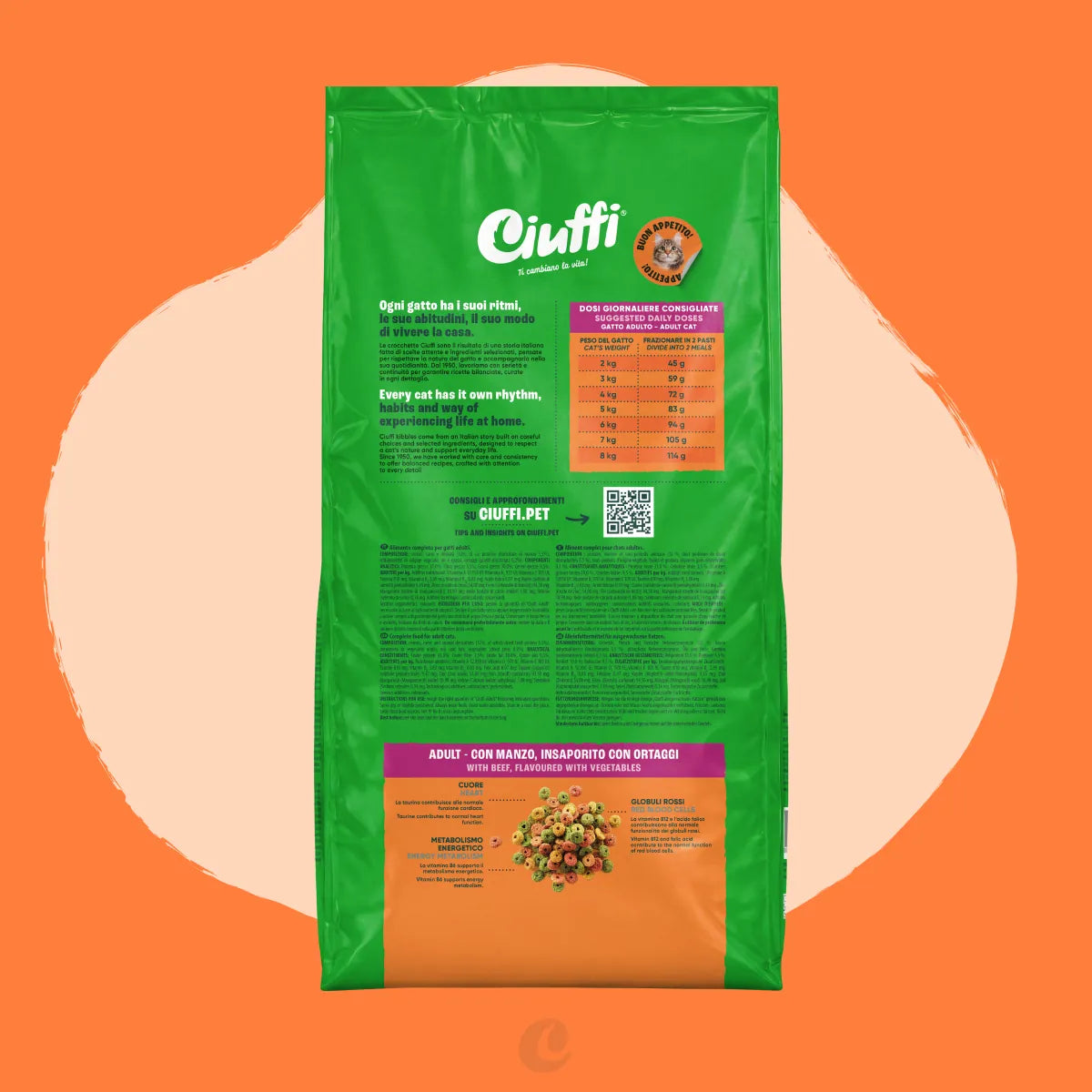
ADULTcrocchette con manzo per gatti adulti -1
Sale priceFrom €24,40

Frequently Asked Questions

Cat kibble with or without grains?

Grain-free kibble is not necessarily better. Grains should not be demonised, and there are excellent, well-formulated products that contain them. It is important, however, to choose kibble that is not excessively high in complex carbohydrates. Cats obtain most of their essential nutrients from animal protein.
Because cats are only very rarely allergic to wheat or gluten, there is no need to remove grains from their diet.

Dry or wet cat food: do you really have to choose only one?

Wet food provides nutrition and hydration and is often preferred by cats. Dry food is also suitable, provided your cat always has access to water. Wet food is generally higher in protein and lower in carbohydrates and sugars. In any case, both wet and dry food can be suitable for your pet. Cannot decide? There is no need to choose: you can alternate or combine them.
For example, you can give a pouch of wet food in the morning and evening, leaving a small amount of kibble available during the day. According to some studies, a diet consisting of 75% wet food and 25% kibble for neutered adult indoor cats can be a balanced solution for maintaining good health.

What is the correct ratio of wet food to kibble for cats? 60 grams of wet food corresponds to approximately 18 grams of kibble plus 50 ml of water. When offering both, use this ratio as a guide to meet your cat’s daily nutritional needs.

Which foods are toxic to cats?

Foods that must be completely excluded from a cat’s diet include chocolate, grapes, onions, garlic, shallots, raw potatoes, macadamia nuts, alcohol, coffee, tea and raw egg white. These foods can cause digestive problems, kidney damage, anaemia or neurological issues. If in doubt about a food, caution is essential: avoid it and ask your veterinarian for advice.